|
By Hook or by Crook
A curatorial project by Edward Salem The Hangar, Beirut, Lebanon April 27 - June 17, 2012 Liudvikas Buklys, Luis Camnitzer, Martin Soto Climent, Jason Dodge, Jimmie Durham, Hans-Peter Feldmann, Claire Fontaine, Felix Gonzalez-Torres, David Hammons, Roni Horn, Sanja Iveković, Diego Leclery, Ghassan Mashala, Roman Ondak, Gabriel Orozco, Amalia Pica, Cesare Pietroiusti, William Pope.L, Wilfredo Prieto, Naufus Ramirez-Figueroa, Ugo Rondinone, Rana Siegel, Reena Spaulings, Mladen Stilinović, and Lawrence Weiner
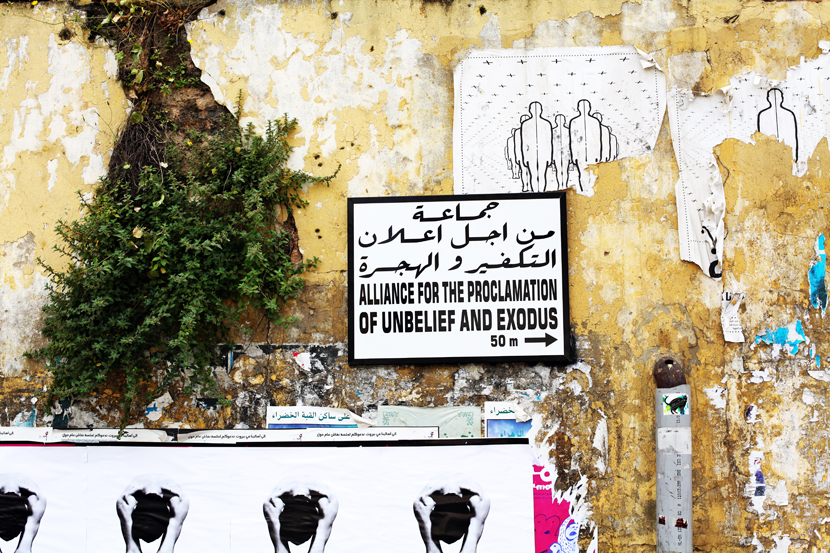
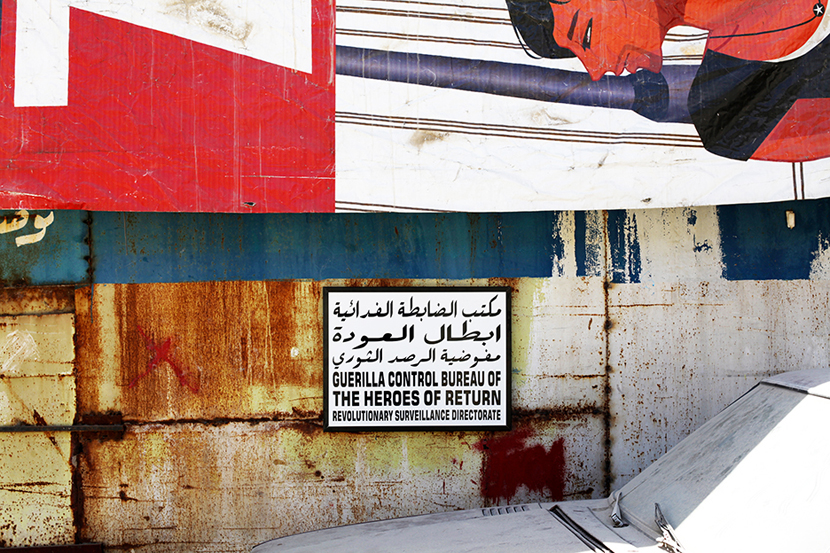
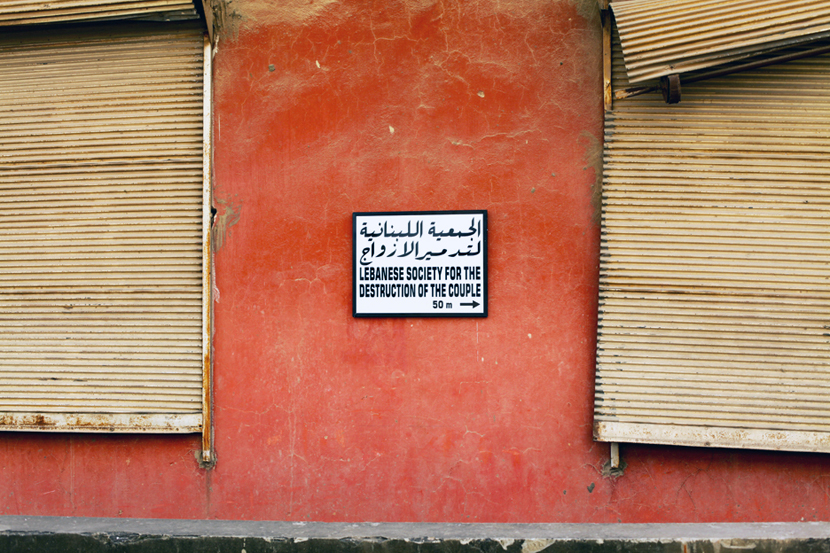
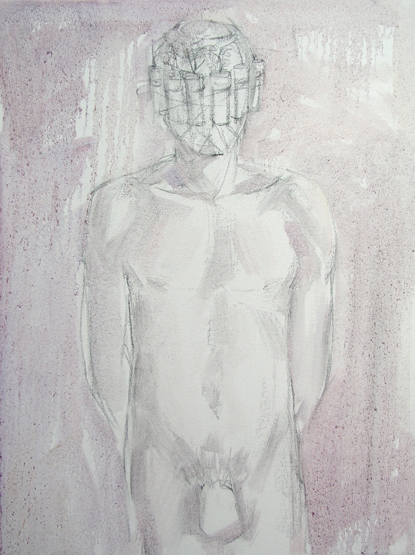
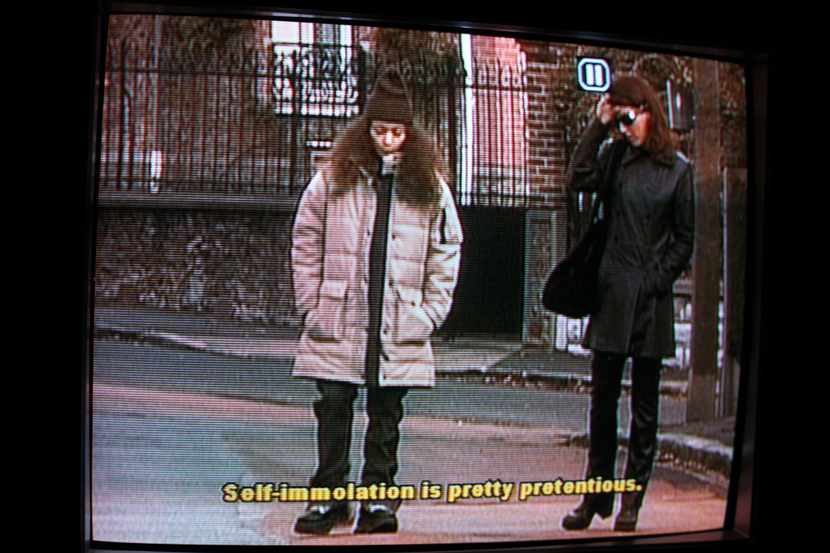
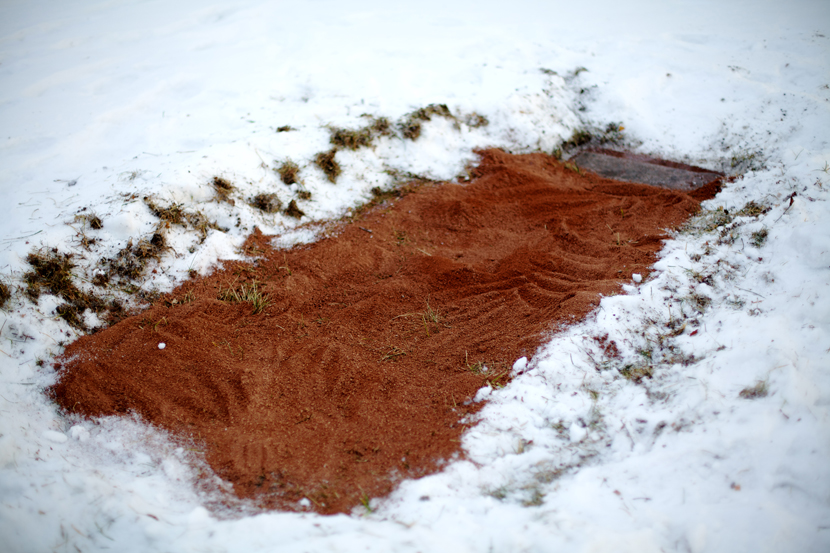
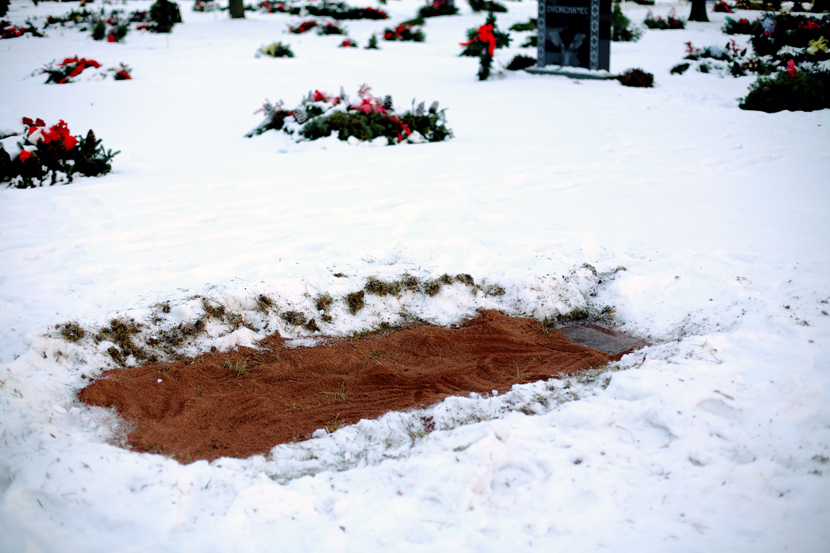
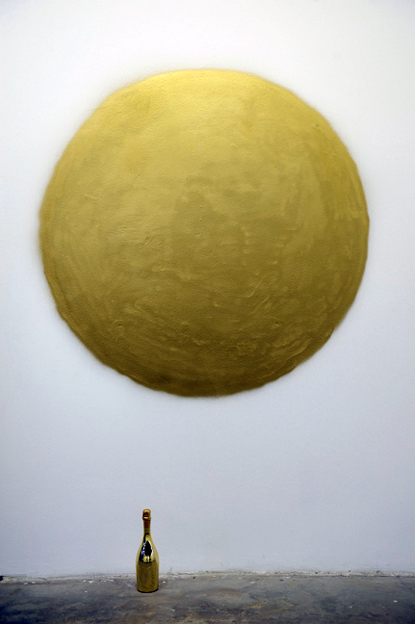
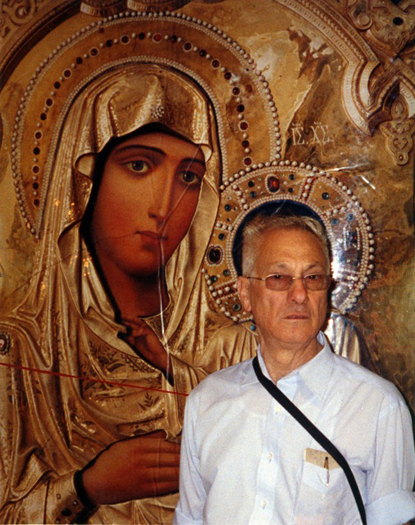
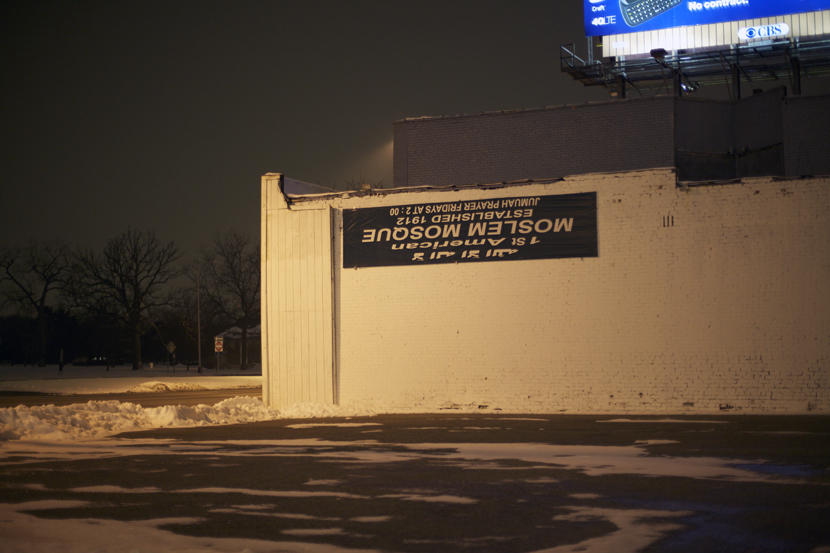
By Hook or by Crook is an exhibition that sets out to foster critical discussion about intellectual property and low-cost production trends in contemporary art. A concurrent consideration is the lack of access to international contemporary art in the North African and Levant countries (Palestine, Syria, Jordan, Lebanon) of the Arab world. The show presents an array of recognized international artists. For nearly all, the exhibition represents their debut in Lebanon. Blurring the line between artist and curator, I select low-cost, low-production works by prominent artists, and reproduce them using local materials from Souq al-Ahad, Souq Sabra and elsewhere. By exhibiting the replicas in Haret Hreik, the interplay between the pieces shown and the working-class neighborhood is embraced. The exhibition uses portable, ephemeral, or otherwise modest works made on a small scale or using consumable materials. These works can in theory be made by many people in many places, simultaneously and repeatedly, without the artists needing to be present and with no appreciable loss of quality – though this aspect of the works has not been expressly conceived or acknowledged by any of the collected artists. The idea of how and where and at what expense art could be produced is just as meaningful as the art itself. This approach is repurposed and explored for its possibilities and implications as a means of access. Inspired by an abortive attempt to exhibit a renowned artist in Palestine, due to high shipping costs, the exhibition was originally conceived to take place in Palestine, where US/Israeli restrictions on Palestinian mobility and trade preclude the possibility of an international art collection, or the ability to travel to one. Unfortunately, en route to install the exhibition, I was denied entry into Palestine. Nevertheless, the project is eminently adaptable to the Lebanese context, where a liberal economy and mobile diaspora has not given way to an international art collection of note. At once commentary and catalyst, the exhibition responds to the regional context by challenging existing cultural artifacts and proprietary cultural material through its appropriation, reconstruction and redistribution. Forming a critique of the conventional modes of distribution and ownership to imagine a more fluid and inclusive economy of cultural meanings, the exhibition blurs the traditional distinction between production and consumption, creation and copy, readymade and original work. The obvious questions arise: is it the original, an exact copy or a new work? Was there permission? Also presented are How to Own Certain Works by Famous Artists for Cheap and Dad: Art made for the home, two books that extend the format of the exhibition catalogue. They are available in print and as PDF downloads. |