Edward Salem
Edward Salem // Work / Statement / CV / Contact


Force would vanish from the relations of men

Curated by Edward Salem, with text contributed by Mary Patten
Kodra 11 Contemporary Art Festival, September 2011, Thessaloniki, Greece

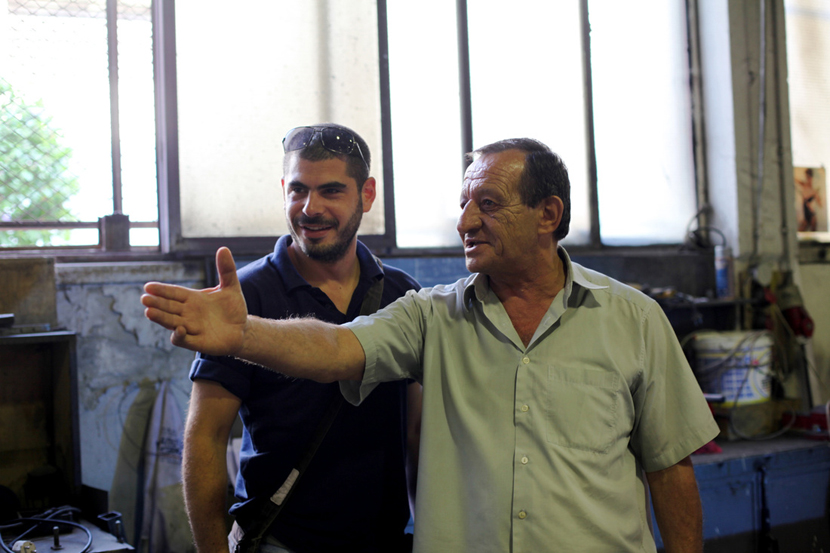
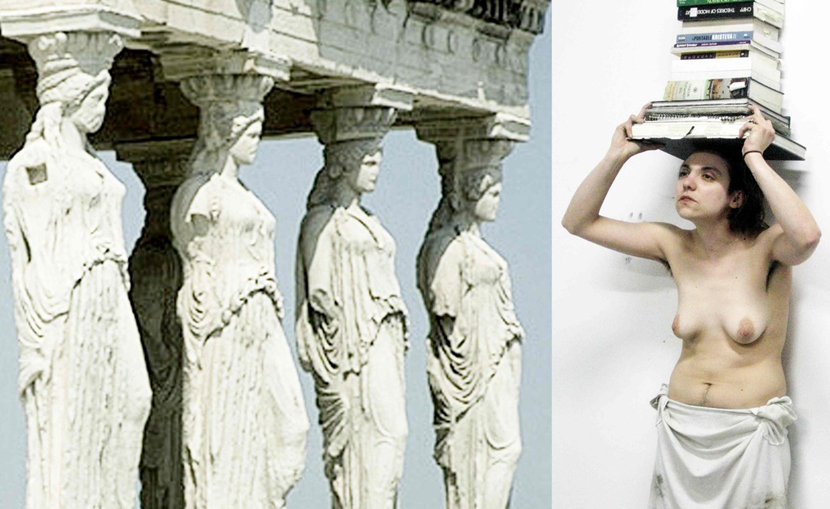
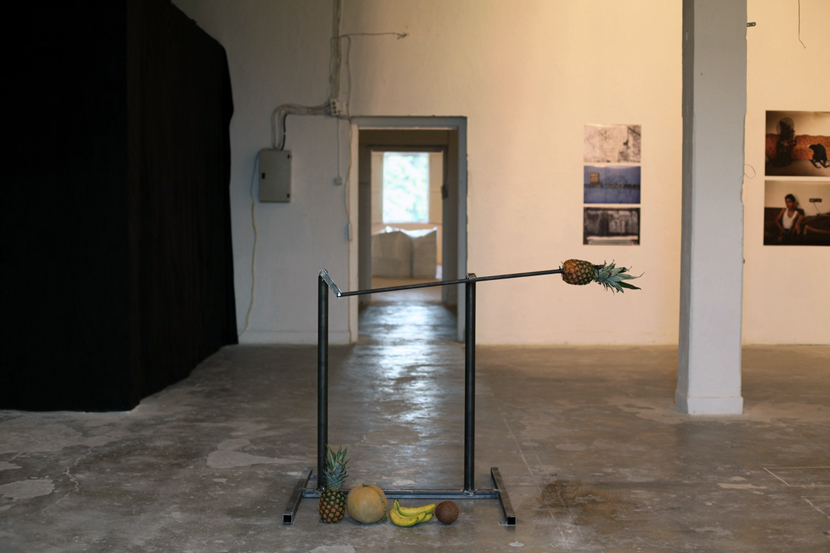
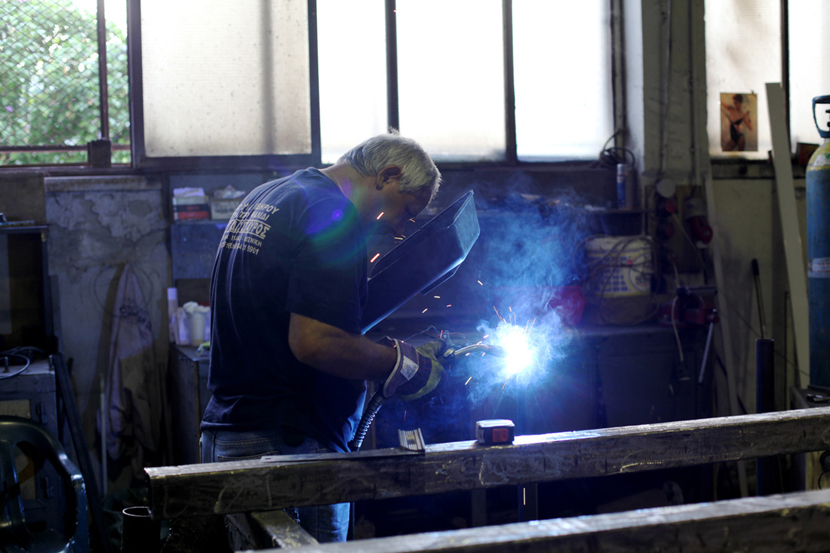
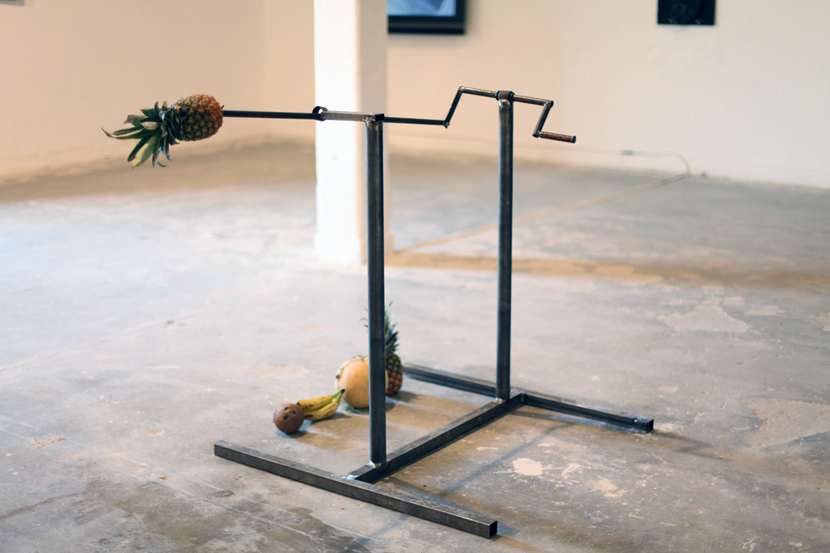
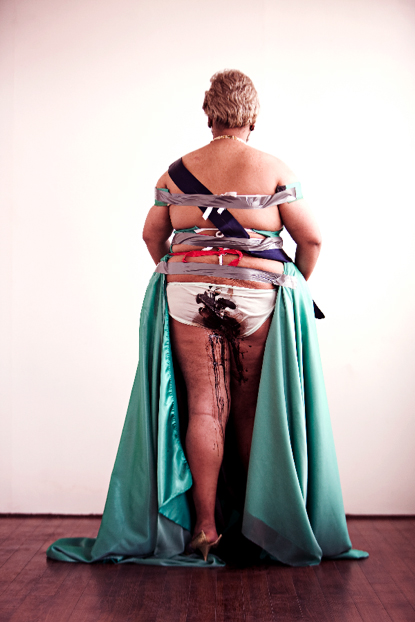
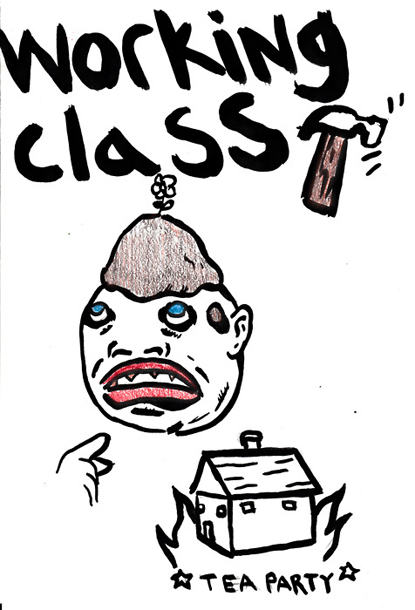
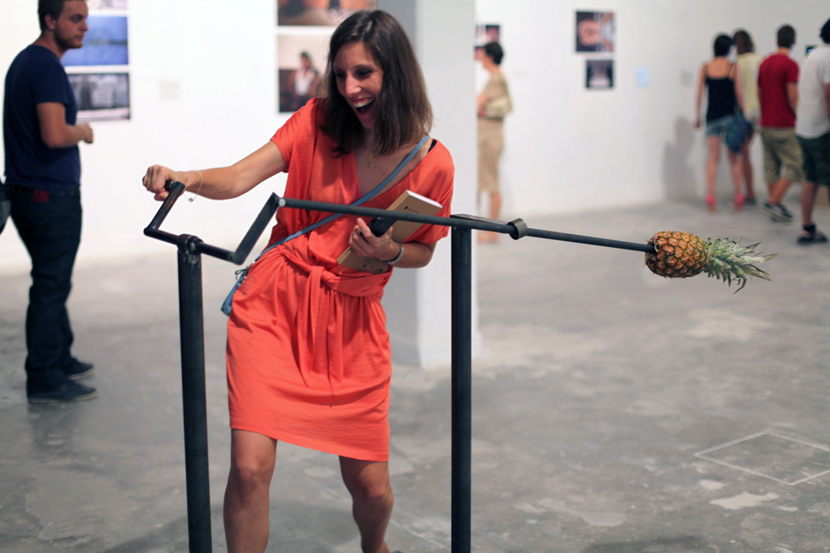
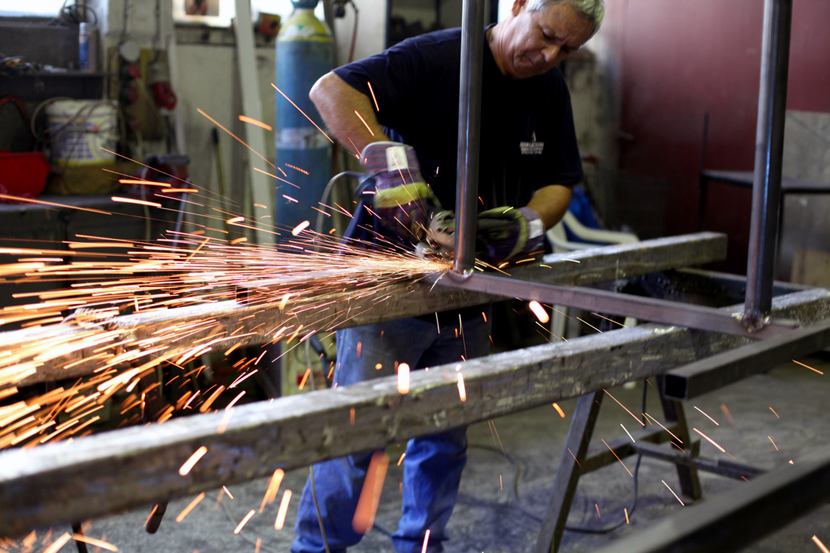
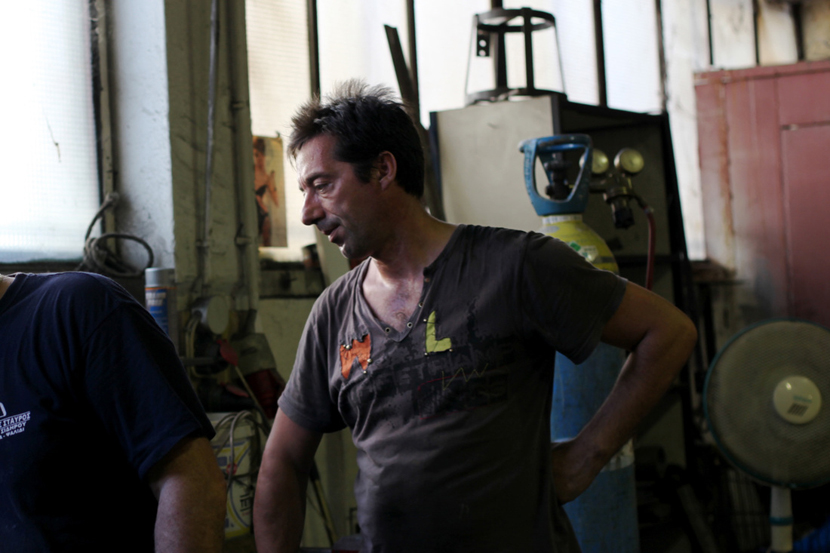
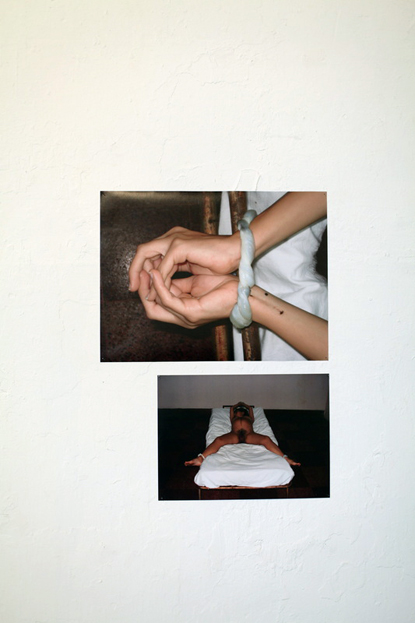
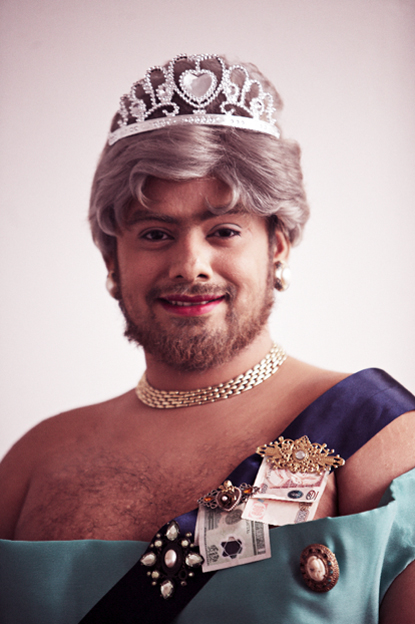
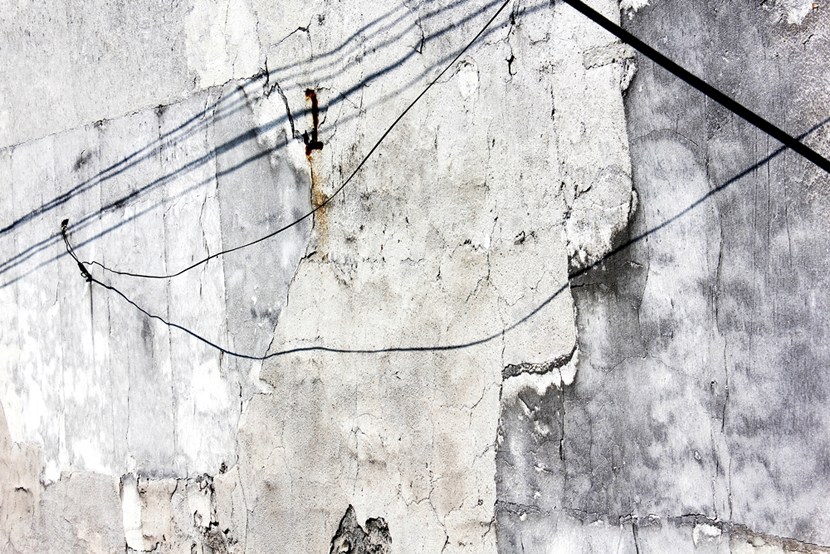
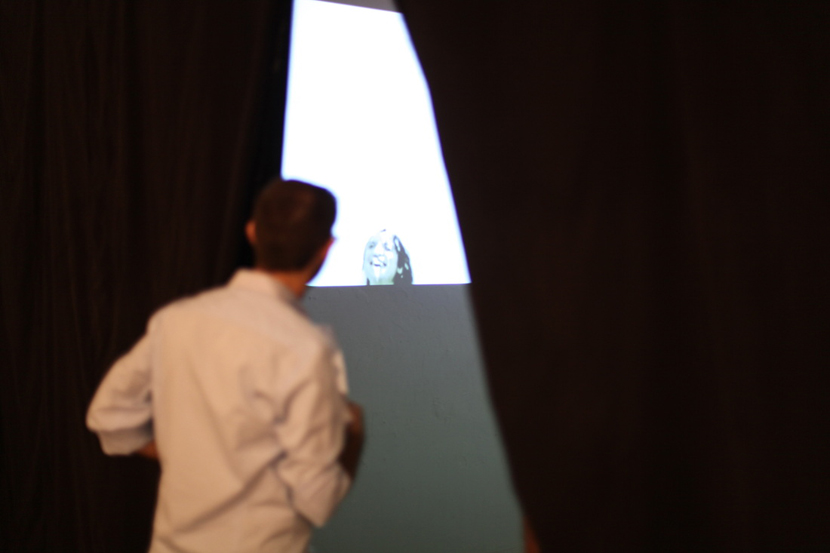
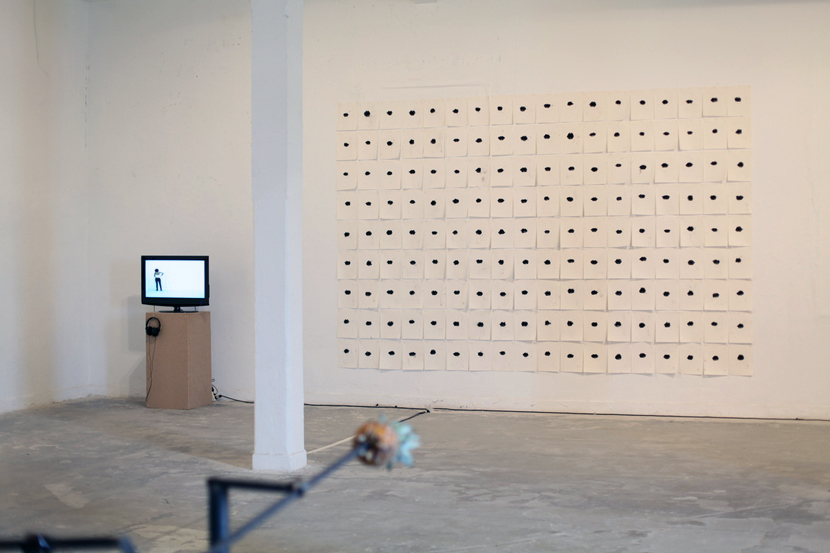
Force would vanish from the relations of men is an exhibition in which commissioned, collaborative works are presented among more conventionally curated original works. Engaging curation as a mode of artistic expression, I solicit written instructions from international artists, some under travel restrictions (as with three of the Palestine-based artists), for a work that can be constructed remotely, in their absence, by a crew of local workers non-specialized in art. With consent from the artists, I ask that the workers use their creative input to diverge from the artists' instructions to change the pieces based on their preferences, interests, whims, or ideas of beauty, to create a new, collaboratively conceived work. 

It is traditional practice in galleries for workers to be hired to physically prepare the space and install the exhibition, often constructing whole set pieces in the artist’s absence, as in Francis Alys’ large, worker-constructed “Bolero (Shoe Shine Blues)” at Chicago’s Renaissance Society in 2008. In this project, however, the local workers engaged to construct the pieces have artistic agency and final say. The decisions rest with the workers, whose equal status as collaborators reconfigures traditional hierarchies.

 - Edward Salem


When is art activism and activism art? 

Artists are citizens, and thus have no more or less 'social responsibility' than anyone else. However, artists, writers, or anyone claiming to be a critical thinker, have a responsibility to foster complexity of thinking and feeling. Many of us worry as we try to balance the need for swift responses and complex articulation; urgency as well as depth. But let's resist the idea that art is either a weapon or a luxury. Art and art-making is both useless and necessary. Some of us worry that "art" is too much of a floating signifier - that it can be co-opted and deployed and marketed to fit all kinds of terrible agendas. But so can virtually any other human endeavor. The free play of imagination is worth the risk. 

The war in Iraq has revived debates about the uses of images during wartime. Many have accused broadcast media of sanitizing the war by refusing to show images of bloodshed, torn bodies, civilian casualties, and the draped coffins of U.S. soldiers who have been killed. If only people could see these images, then they would turn against the violence. But horror and revulsion, in and of themselves, produce nothing but a kind of numbness. One's politics will shape how, and what, one sees and feels. This is the problem of anguished pictures: what Susan Sontag, in Regarding the Pain of Others, has characterized as "'the gruesome' (inviting) us to be either spectators or cowards, unable to look." 

There are other dangers: of aestheticizing war, or trauma; or quoting already-saturated images, emptied of power by endless repetition. At the least, let's hope that other pictures have meaning, too, besides our own: let's ask what we can do to change those pictures.

 - Mary Patten
Picture

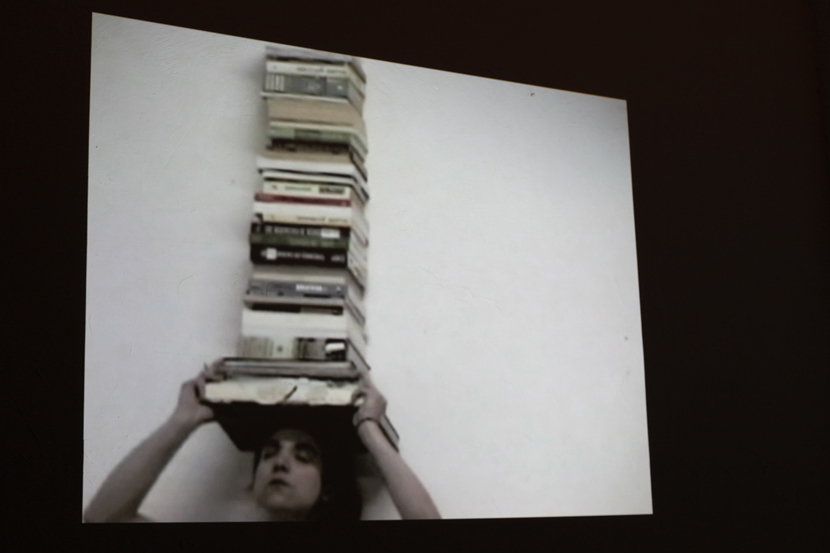
Featuring work by Linda Mary Montano, Regina Jose Galindo, Naufus Ramirez-Figueroa, Laura Boushnak, Inas Halabi, Nissreen Najjar, Isabelle Schlitz,

Regina Mamou, Charles Mahaffee, David Leggett, Dana DeGuilio, Lora Gordon, Michael Cheatwood, Edward Salem and Shadi Al-Hareem.

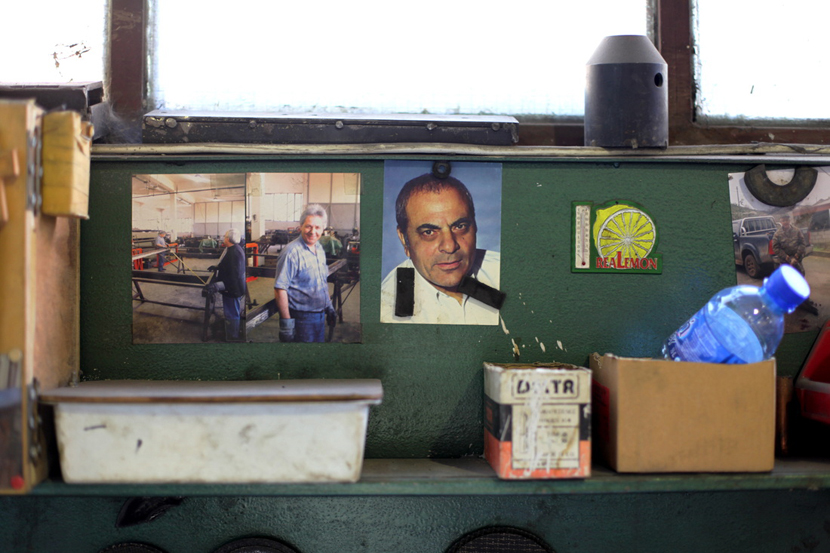
In collaboration with workers Mitsos Karlaftopoulos, Kostas Tsouflidis, Christos Balkanis, Kostas Gogos


CLICK FOR PANORAMIC VIEW
(First Floor/Room 2)

<    >


Create a free website with Weebly